

Writing Samples
Brochure Writing




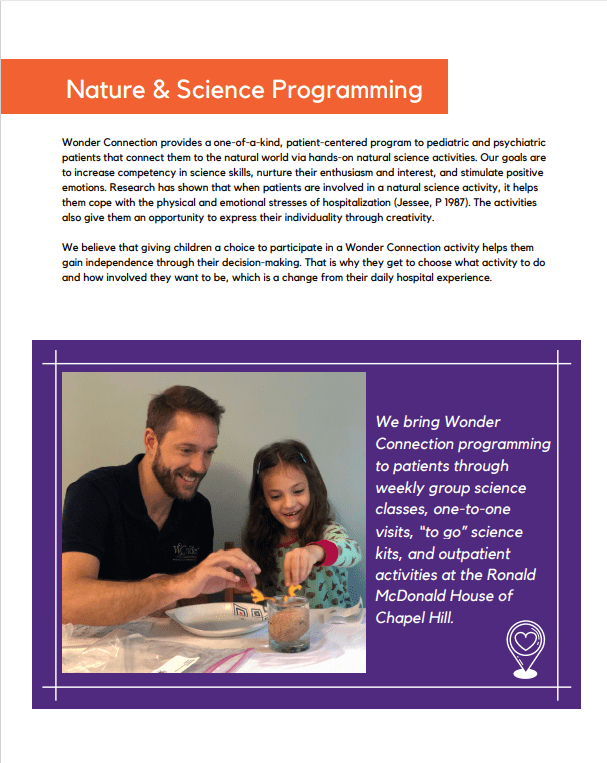

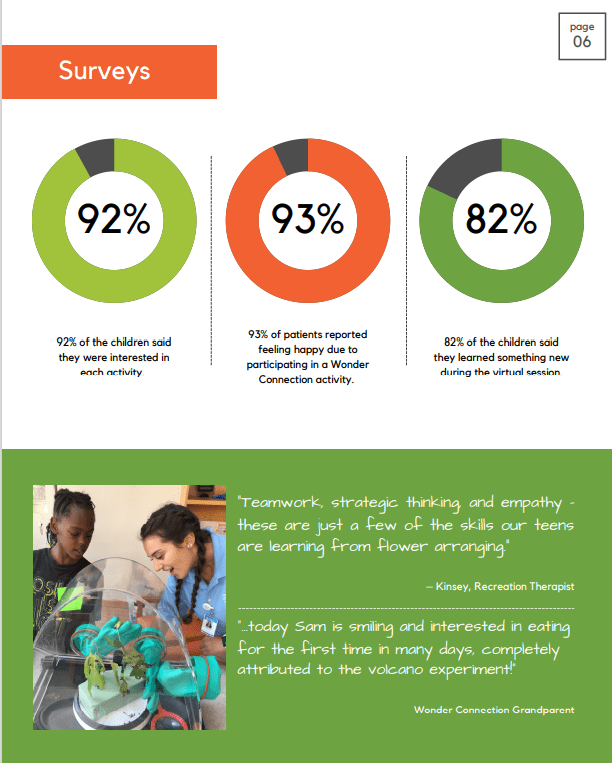


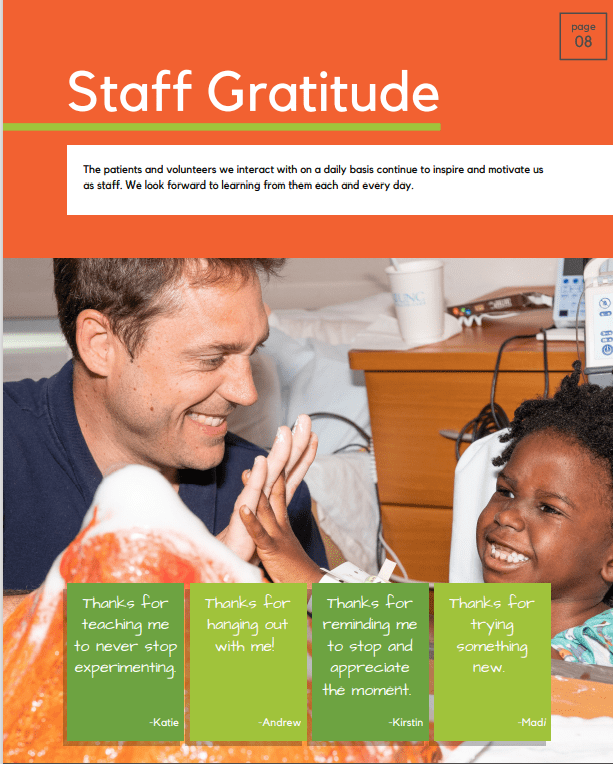



Newsletters
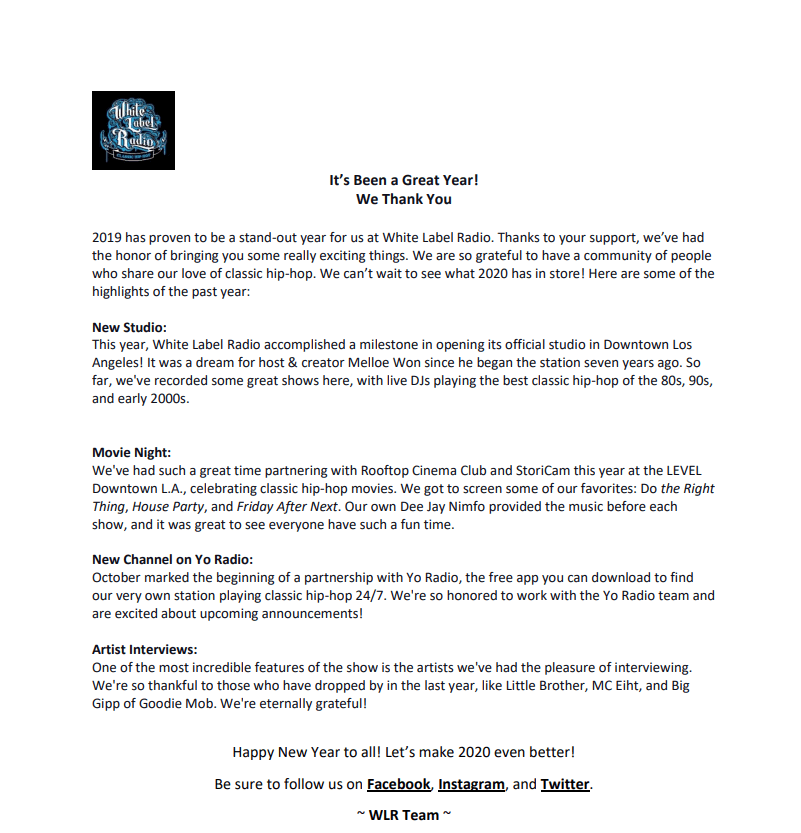
Social Media Captions


Opinion Pieces/ Social Posts
Remembering J Dilla

In remembrance of the passing of J Dilla on February 10, 2006, we thought we’d share the reasons we believe he is one of the best producers that hip-hop has seen. From his days with Slum Village to his work with Erykah Badu, D’Angelo, and A Tribe Called Quest, he created music that has stood the test of time. In the mid-90s, he was one of the first innovators to help change the hip-hop sound from what we were accustomed to, incorporating soulful jazz and R&B along with percussion and synth tones uncommonly used.
However, one of his most admirable qualities was how he surged on and found inspiration even in his darkest hours. During his last days, while in and out of the hospital suffering from an incurable disease, J Dilla continued to create beats, determined to complete what would be his last project, Donuts. Donuts is an eclectic production filled with elements of jazz, electronic, R&B, and even classical—and results in a magical musical masterpiece. It would be released three days before his death. Although he was highly respected among peers, while alive, he did not attain mainstream recognition. Today, ‘Donuts’ has propelled his name into the spotlight and is seen as arguably his best work. We honor J Dilla for being a kind of mad scientist whose boundaries seemed limitless. Simply put, he left his mark on music, and hip-hop will never be the same.
(Facebook post for White Label Radio)
The Ghost of Illmatic
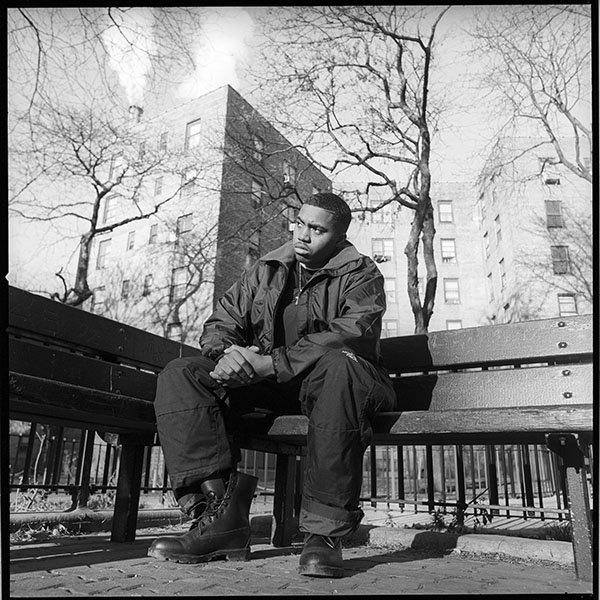
In 1994 Nas released his debut album Illmatic, giving us such incomparable songs as “The World Is Yours” and “New York State Of Mind.” It is now known as one of the most influential hip-hop albums of all time for its stellar production value and Nas’s lyrical skill. When we think of Nas, it’s not easy to separate him from this album. Die-hard fans celebrate it by quoting lyrics, viewing the album as a benchmark for fellow rappers.
In fact, Nas himself may be trying to live up to the masterpiece.
Why has he never been able to follow up with the same level of greatness? That doesn’t mean he hasn’t continued to achieve success. Since then, he’s put out several albums such as “It Was Written,” “I Am…”, and “Nastradamus,” to name a few. He’s earned 13 Grammy nominations and has met significant pop recognition with his collaboration with Lauryn Hill on the 1996 hit “If I Ruled the World.” No doubt, these are tremendous accomplishments, but even so, no album has come close to measuring up to the near-perfect Illmatic.
One theory is that by his second album Nas went on to pick his producers, perhaps steering him in the wrong direction and falling short on quality.
Whatever the reason, there’s no doubt he has left a legacy that will go unmatched by any rapper. But we’re left to wonder if he’ll always be chasing the same level of success as his first album.
(Facebook post for White Label Radio)
The Legacy of Master P.
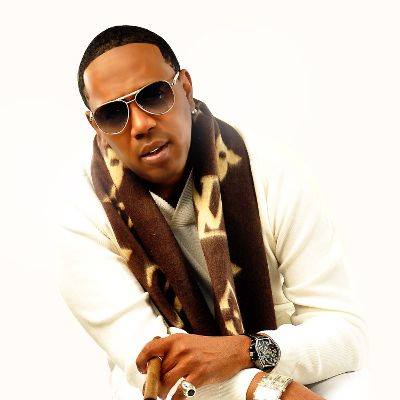
When we think of Master P., many words may come to mind, but the main one is ‘hustler.’ From his early days opening a record store in Richmond, California, selling his music direct to the consumer out of the trunk of his car, asking for help from local radio DJs, and going from state to state to build a fan base, Master P. has not shied away from hard work. His efforts not going unnoticed, Interscope eventually offered him a $1 million-dollar record deal. Knowing his worth and keeping his eye on a bigger prize, P. turned down the deal and finally started his own record label, No Limit Records, in his hometown of New Orleans.
In 1995, he signed a distribution deal with Priority Records, leading to the No Limit Records’ birth we know of today. In 1996 he dropped his debut album ‘Ice Cream Man,’ which sold 500k copies and earned a local cult following. It wasn’t until he added the No Limit Soldiers: Mystikal, Silkk The Shocker, and C-Murder, and the production team Beats by the Pound, that he started to gain national recognition. “Make ‘Em Say Uhh” is the song that made him a household name and features his No Limit Soldiers. He later went on to help Snoop Dogg out of his Death Row deal and revive the Doggfather’s career.
As if that weren’t enough, in 1998 and 1999, although only playing the pre-season, the NBA signed him to two teams. He’s since produced his son Lil’ Romeo’s rap career, developed a film and television career, and is a philanthropist who dedicates much of his time inspiring kids to follow their dreams.
(Facebook post for White Label Radio)
Why Big Daddy Kane is a Better Rapper than Rakim
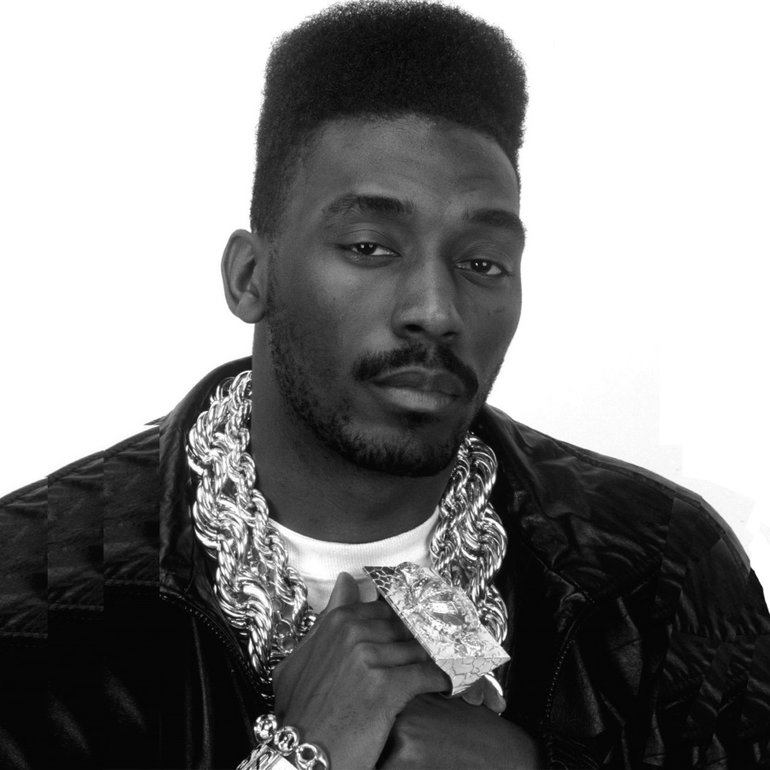
In the late 80s, Big Daddy Kane and Rakim were on top of their games with their respective albums “Paid in Full” and “It’s a Big Daddy Thing.” There were often comparisons made between the two, and there was even buzz about a rap battle that would never happen. Although Rakim is one-half of the beloved Eric B & Rakim–we think he doesn’t measure up to the great Big Daddy Kane. Starting as a stand-out member of the Juice Crew, Kane proved he is the total package. Lyrically his delivery is on point for his ability to speed up or slow down depending on the beat. He’s clever and original, as demonstrated in “The Symphony” with the line “So I can let lyrics blast like a bullet / my mouth is a gun / on suckers I pull it”. His style is smooth with undeniable confidence in songs like “Smooth Operator,” saying “One simple kiss / and it’s over, Miss”. He’s able to combine skill with entertainment, never leaving you bored. Since the 80s, he’s managed to impressively hold down a career through collaborations with artists from Patti LaBelle to Tupac. He’s also continued to contribute to hip-hop culture with his portrayal in the 1993 film “Posse” and appearance in Dave Chappell’s “Block Party,” among other projects. Big Daddy Kane is genuinely an everlasting presence in hip-hop.
(Facebook post for White Label Radio)
 Candice C. Vincent - Content & Social Media Manager